
Parents, taking down underage drinking starts with you.

Do you have a game plan for tackling underage drinking with your kids?

Social Host Law

Facts About Alcohol

Tips for Parents

Setting an Example

Tennessee’s Social Host Law

Did you know that Tennessee’s social host law means you could get into legal trouble for providing alcohol to minors at a social event or on your property? Social hosts can also be held liable for injuries and damage that result from drinking.

Many parents mistakenly think that it is safer for their teens to drink at home. Click on the myths below to learn the facts.

FACT: Parental permission to drink alcohol, even in the home, leads to increased alcohol misuse.

Research shows that teens whose parents allow them to drink in the home experience the steepest increase in drinking; they are also drink more heavily outside the home. -NIH

FACT: Early alcohol use makes teens more likely to develop an alcohol use disorder later in life.

Teens who begin drinking before 15 are 3.6 times more likely to develop an alcohol use disorder later in life an those who begin consuming alcohol at 21. -NIH

FACT: Teens who believe their parents would be upset with them for drinking are less likely to consume alcohol.

Around 80% of teens believe their parents should have a say in whether or not they drink alcohol, and those who believe their parents do not have authority over alcohol use are four times more likely to drink. -NIH

FACT: Teens are more likely to drink if the adults in their life around them drink or binge drink.

Studies show that teens who see their parents drink five or more days per month are significantly more likely to drink. They are also more likely to drink if their parents binge drink. -CDC

Click here to learn more about modeling healthy behaviors.

Facts About Alcohol

Knowing the facts makes healthy decisions easier. Here is some information about the impacts of underage drinking from the CDC.
  • More school absences
  • Lower grades
  • Drinking and driving puts you and those around you at risk. It can also lead to fines and losing your license.

Young people who drink alcohol are more likely to engage in risky behaviors that can lead to injuries and health conditions.

  • Violence, including homicide, suicide, and sexual violence.
  • Injuries including alcohol-related motor vehicle crashes, burns, falls, or drowning.
  • Not growing as expected.
  • Slower brain development—which may cause problems with memory.
  • Sexually transmitted infections (STIs), HIV, and unplanned pregnancy—which can result from sex without protection.
    • Protection includes using condoms or taking medicine to prevent STIs, HIV, or pregnancy.

Lastly, people who start drinking earlier in life have a higher risk of using alcohol excessively or developing alcohol use disorder later in life.

Tips For Parents

Did you know that studies show the vast majority of teens think their parents should have a say in whether or not they drink?
(NIH)

Here are some tips to help prevent your teen from drinking.
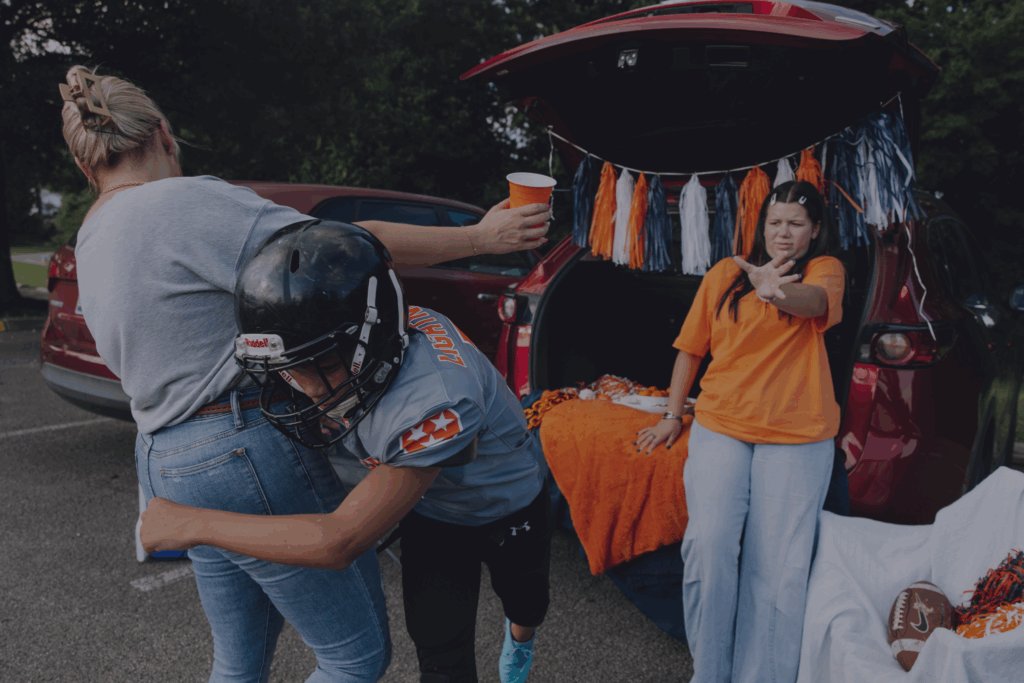
Establish your policy about underage drinking early with your teen, and make sure your expectations are clear. Having this conversation early and often is key to making sure you and your teen are on the same page. Be consistent with your expectations, but let them know that you are there if they have questions or are curious.

Not sure how to start the conversation? Here are some tips:

  • Talk in a relaxed setting, such as in the car or while watching tv.
  • Keep the conversation short.
  • Ask and listen. Resist lecturing.
  • Explain the reasons behind your beliefs
  • Keep having short, informal conversations. Check in regularly to see if they have questions.
  • Let them know you care about them.

Here are some reasons to avoid underage drinking that you can share with your teen:

  • The brain continues to develop until the mid-to-late 20s (NIH)
  • Drinking can increase the chances for risky behaviors (NIAAA)
    • Driving under the influence
    • Unprotected sex
    • Violent or aggressive behavior
  • Drinking at an early age increases the chances of an alcohol use disorder later in life (NIH)
  • Most youth–around 80%–do not drink (NIAAA)

Risk factors for underage drinking include:

  • Transitional times (moving, a new school, a divorce, etc.)
  • Celebrations such as prom or graduation
  • Mental health challenges (depression, excessive stress, etc.)
  • Family history of a use disorder

Did you know that Tennessee has a social host law that holds adults responsible for underage drinking on their property?

While many parents think it is safer to allow teens to drink at home, studies show that adolescents whose parents provide them with alcohol at home experience the steepest increase in drinking and are more likely to drink heavily outside the home (NIH).

Protect your teen by making sure to lock alcohol up and never provide alcohol to your child or someone else’s child.

Signs of underage drinking include:

  • Change in mood
  • Problems at school
  • Change in friend group
  • Physical symptoms (i.e. slurred speech, lack of coordination)

Know who your teens are spending time with, and get to know the parents and guardians of their friends. Work with other guardians to monitor your teens and stay involved in where they are and who they are with.

Setting An Example

Teens who see adults in their life drinking more than 5 times per month are more likely to drink themselves. -NIH

Children learn by watching the world around them—especially their parents. According to social learning theory, kids often model the behaviors they see. That means how you interact with alcohol guides their choices. Here are some simple tips to help set a healthy example.
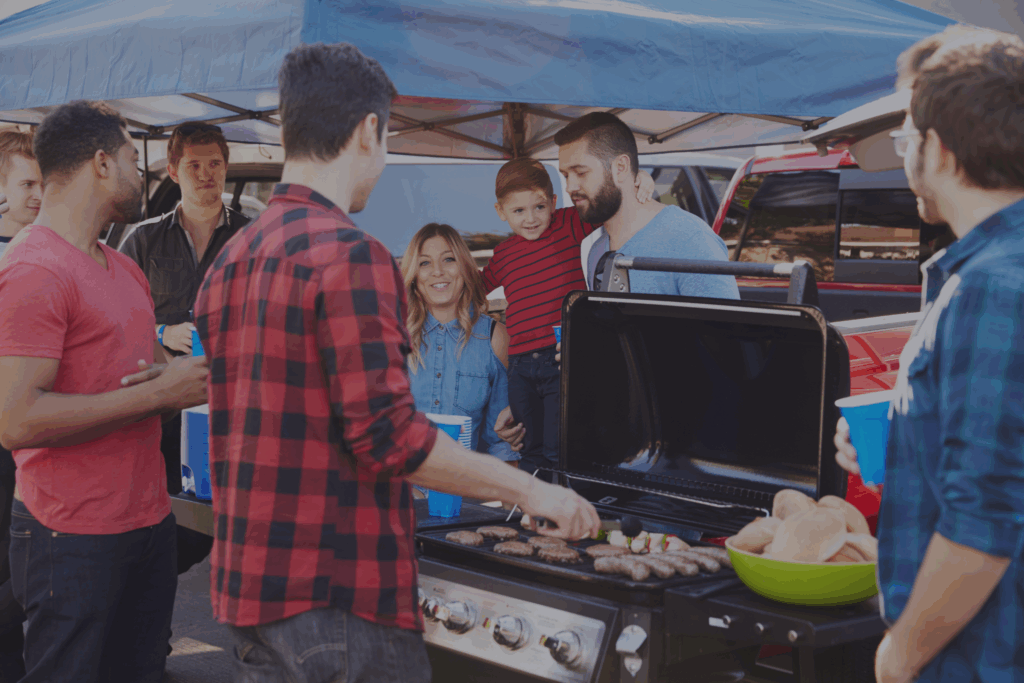
  • Avoid using alcohol to unwind or destress in front of children. Click here to learn about modeling healthy coping skills.
  • Keep alcohol locked up safely where kids cannot easily access it.

  • Find alternative ways to celebrate and socialize that don’t include alcohol.

  • Avoid language that glamorizes drinking, such as “wine o’clock,” “mommy juice,” and “nectar of the gods.”

  • Do not ask children to get an alcoholic beverage for you.

Social Host Law

Facts About Alcohol

Tips for Parents

Setting an Example