
Healthy Habits Begin With You.
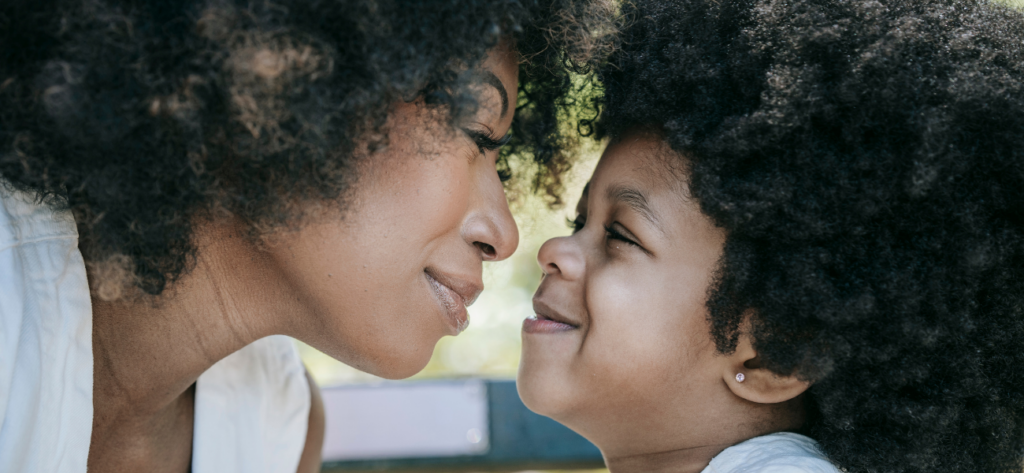
Children learn by watching the world around them—especially their parents. According to social learning theory, kids often model the behaviors they see. That means how you handle stress, frustration, or disappointment teaches them how to cope with their own emotions.
By practicing healthy coping skills yourself, you’re giving your child a powerful example to follow.
Coping Styles
Did you know that there are different coping styles that are better suited for different situations? Find information about them, as well as examples and resources, below:

Coping Strategies
It’s common in our culture to joke about needing a drink after a tough day, and many adults turn to things like alcohol or zoning out with screens as a way to cope with stress. While these habits are often seen as normal, they aren’t always the healthiest—and children notice more than we think.
Choosing healthier ways to manage stress not only benefits your well-being, but also helps your child learn how to handle life’s challenges in a positive way.
Physical Skills
Coping Strategies
- Squeeze something (i.e. stress ball)
- Shred paper
- Hold a small stone
- Use a fidget
- Walk
- Chew gum
- Exercise
- Dance
- Punch a pillow
- Stretch
Processing Skills
Coping Strategies
- Draw
- Talk to someone
- Create a playlist
- Journal about your problem
- Write a song or poem
- Feeling thermometer
- Feelings as colors
Distraction Skills
Coping Strategies
- Clean or organize
- Watch a movie
- Sing
- Read
- Do a puzzle
- Play an instrument
- Listen to music
- Garden
- Doodle
- Play with pet
- Do a craft
- Bake or cook
Calming Skills
Coping Strategies
- Deep breathing
- Meditate
- Practice gratitude
- Trace a pattern
- Have a cup of tea
- Counting
- Take a shower
- Positive self-talk
- Make a fist and then release it
- Imagine your favorite people & places
Protective Factors
Protective factors are qualities and resources that support families in dealing with stressors and challenges that occur in life.
Watch the video below to learn about the five protective factors that can help strengthen your family’s response to challenges.
Social Learning Theory
Social Learning Theory explains how people–especially children–learn new behaviors by observing those around them. There are four key components of social learning. By practicing these components, you can help your child learn your healthy habits.
Attention
For a child to learn something, it needs to capture their focus in some way. Neuroscience shows us that things that are novel or relevant to the learner’s life are more likely to get their undivided attention. For example, trying a new coping skill together or pointing out that a video game they already enjoy can help them relieve stress.
When you are modeling positive behaviors, make sure your child is aware.
Retention
Once you’ve captured your child’s attention, you then need to ensure that they remember what they’ve seen and retain the information.
Rehearsal and recall are good strategies. Practice the new habit when things aren’t stressful so that it is easily performed when confronted with a challenge.
Reproduction
At this stage, the learning from the first two stages is used in the real world.
Your child’s first attempts will typically involve them exhibiting the behavior based on the memory retained from the first two steps.
Motivation
Motivation is the key to long-term engagement and behavior change; it is the the main ingredient to reinforce and sustain social learning. This is where the right rewards or reinforcements are introduced to help keep the positive behaviors going. For example, be sure to praise your child when they choose a healthy coping strategy to deal with stress.
By engaging in reward & reinforcement, you help provide motivation for the healthy behaviors to stick.