

Metro Drug Coalition has provided primary prevention services for nearly forty years. For the first time in our history, we now employ four Certified Prevention Specialists who are working to level up what prevention looks like in our community.
Prevention has always been at the heart of Metro Drug Coalition’s mission, but now our prevention team is stronger than ever. For the first time in MDC’s nearly 40-year history, our the team includes four Certified Prevention Specialists (CPS), each trained and credentialed under the state of Tennessee’s rigorous standards. To earn certification, individuals must complete extensive education, hands-on experience, and pass a national exam, demonstrating both their knowledge and their commitment to the field.
Having this level of expertise on our team means more effective, research-driven strategies to prevent substance misuse before it starts—and a deeper impact on the communities we serve. In this post, you’ll meet our four CPS team members and hear, in their own words, what drives their passion, what they’ve learned along the way, and what they hope for the future of prevention in our region.
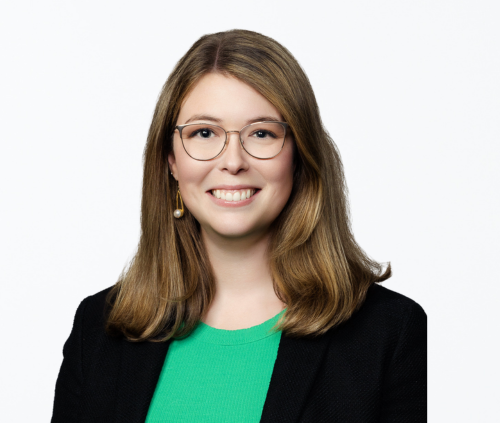
Elle Peeples, MA, CPS
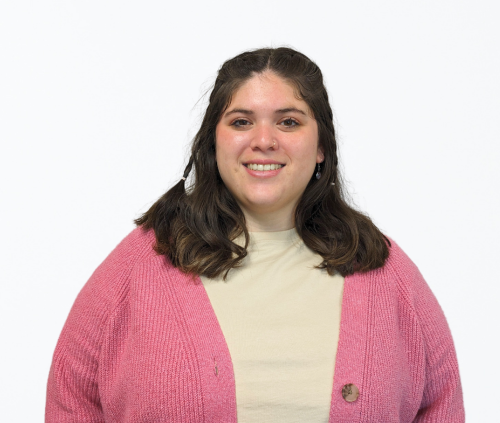
Maria Valerio, CPS
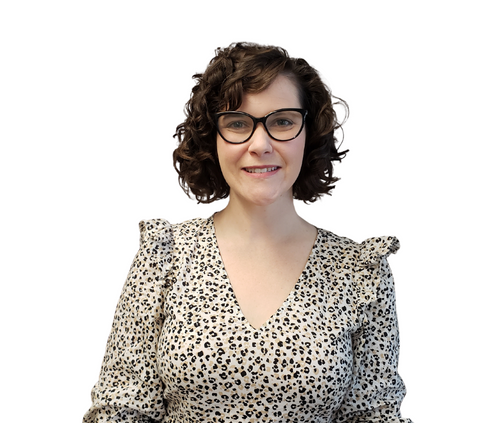
Courtney Fuson, CPS
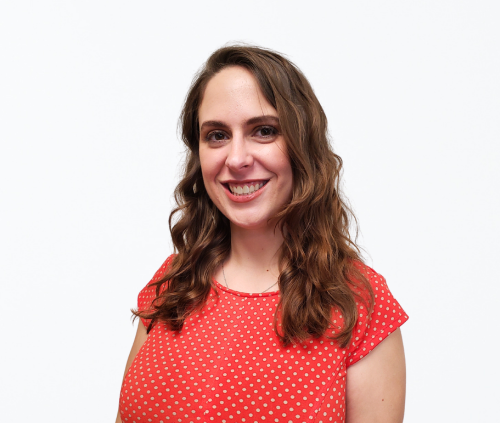
Bethany Lemons, CPS II
Elle Peeples, MA, CPS
1. Why are you passionate about prevention work?
I was raised in a small, rural community in Southeast Tennessee where I witnessed the long-term effects of substance misuse in many people that I knew and loved. Since I was a teenager, I wanted to do something about it but wasn’t exactly sure what. I tried thinking about a medical career… not for me. A health policy career… not for me. A research career… not for me. I will never forget when I took my first public health-oriented course in college, and the moment my professor flashed the Health Belief Model on the projector screen, it all seemed to click. This concept of prevention science, that there are simple pathways known to make an actual impact on the health behaviors of others, was a huge game-changer for me. It felt like I was finding a holy grail–an answer to all the questions I had been seeking, but I was confused as to WHY I was only learning of these simple tools NOW? I felt that this information was something that everyone should have access to in some form. These prevention models and theories stuck to the ridges of my brain and never left, leading me instantly down the path of a career aiming to prevent substance misuse through simple, yet effective initiatives and strategies. The more I have traveled down this road and worked with various populations, the more my passion and appreciation for this work grows. Many people say that a world free of substance misuse is impossible, but I firmly believe that vision could one day be within our grasp through the power of prevention.
2. What is something you have learned about prevention during the CPS journey?
Obviously, there was a lot of informational content that I absorbed in the process, but I think the larger takeaway (and the one I did not expect) was a better understanding and appreciation of the value that the state of Tennessee places on prevention work and prevention professionals. Prevention is not magic or random—it is a specific science that, when done correctly, can make incredible changes in our communities. However, in the same regard, if the science comes off step, prevention programs can have unintended effects. This process for me affirmed that Tennessee understands this crucial concept at the core of prevention, and it is reassuring to know that through Tennessee’s advocacy and support for CPS training, citizens across our 95 counties are all being served by competent and passionate individuals.
3. What is something you wish people knew about prevention work?
There is a major misconception that prevention work focuses on telling people what to do or feel, and that prevention services are only applicable for youth or people who have not used or misused substances. At MDC, we recognize that effective prevention work actually focuses on building autonomy and resiliency skills for people of all ages and all experiences. In our work, our participants are the driving forces, and the experts, we simply provide structure, tools, and courageous spaces for these individuals to mark their own journeys. It is never too late to learn and grow and THRIVE, and as such, prevention is powerful for people of all ages and backgrounds.
4. What is your hope for the future of prevention work?
My sincere hope is that we continue to bridge the gap between prevention, harm reduction, and recovery services, such that our variety of behavioral health care is seen as a spectrum of opportunity and growth for all—not isolated and restricted efforts. Prevention, harm reduction and recovery all bring unique, yet connected, perspectives to this work, and we are just now beginning to see the new blooms blossoming for our communities when professionals from these areas combat problems together. We are truly fortunate to be one of the leaders in the field at MDC in our integration of prevention, harm reduction and recovery support services, but there is so much more work to be done. It’s exciting to feel like I am contributing to this “new era” of prevention at MDC.
Maria Valerio, CPS
1. Why are you passionate about prevention work?
I’m passionate about prevention work because I care deeply about the wellbeing of youth. I believe that when we invest in helping young people make healthy choices, we’re not just supporting individual lives, but building stronger families, safer schools, and more resilient communities. Early prevention is one of the most effective ways to reduce long-term substance misuse, and it plays a vital role in preventing a range of other societal issues down the line. Supporting youth today means creating the healthiest community possible for tomorrow.
2. What is something you have learned about prevention during the CPS journey?
I’ve learned that prevention is really a science like so many other things- there are theories, research, best practices, and evaluations that are all a vital part in ensuring that we are offering the most effective interventions in a way that is sensitive and relevant to the populations we serve.
3. What is something you wish people knew about prevention work?
I wish people realized how much prevention messaging has changed in recent years. Most students I see assume that we are going to lecture about how bad drugs are and why they can never do them. We make sure to emphasize short and long-term health effects, but prevention is so much more than that. We provide interactive lessons and discussions that challenge students to analyze their environment, reflect on their mental health, practice goal-setting and develop coping skills, etc. There are so many ways to provide support and knowledge to students without listing every single drug and its consequences.
4. What is your hope for the future of prevention work?
My hope for the future of prevention work in Knoxville is to provide more tailored opportunities for each community. A city like Knoxville is made up of hundreds of small communities, so picking effective interventions can be a real challenge, especially when you consider logistical constraints of staff, budget, scheduling, etc. In the future, perhaps we can expand our reach around the city and really dig deep in individual communities to find out the most prominent risk and protective factors.
Courtney Fuson, CPS
1. Why are you passionate about prevention work?
Working in the field of substance misuse prevention is a second career for me. I began my professional life as a high school English teacher, with a passion for giving students an educational experience they could use throughout their lifetime. I found a sense of fulfillment in knowing that I was helping to set these students up for success, no matter what path they chose once they left my classroom. When I started learning more about prevention work at MDC, I found that the goals are actually very similar. By using prevention strategies to give my community the tools and knowledge they need to make healthy choices, I am empowering them to live better and more fulfilling lives.
2. What is something you have learned about prevention during the CPS journey?
While working on my CPS, I discovered just how complex good prevention work is. In order to choose effective prevention strategies, you must consider the diversity of the community, stages of development, social determinants of health, culture, policies & systems–and the list could go on. I’ve always known substance misuse is a deep and multi-faceted issue, but getting my CPS showed me that we must have the support of our community and strong, competent prevention professionals if we want to create real, sustainable change.
3. What is something you wish people knew about prevention work?
I wish people knew how complex prevention work truly is. Many of us grew up hearing, “Just say no!” Prevention science has evolved far beyond what most of us think of and acknowledges that preventing substance misuse isn’t just about substances. In fact, very little of it is. The science of prevention is focused on creating healthy communities where people can thrive. As prevention professionals, it is our job to use evidence-based strategies to build protective factors and reduce risk factors in our community, making sure that people have the tools and knowledge to make healthy decisions for themselves.
4. What is your hope for the future of prevention work?
My hope for the future of prevention work is that, through our presence in the community, we can change people’s pre-conceived notions about what prevention work is and looks like. In doing so, we have the opportunity to engage more people in the process of prevention, which will allow us to provide more diverse and targeted strategies to support our ever growing and changing population. This conversation also invites the community to challenge stigma surrounding substance misuse, making it easier for those who need help to access it without fear of judgment.
Bethany Lemons, CPS II
1. Why are you passionate about prevention work?
I’m passionate about prevention work because it’s the crux of a healthy society. When prevention is built into the fabric of our communities, everything else becomes stronger. Public health, education, families, and opportunities all rely on prevention. Strong prevention programs build strong people, and strong people build strong societies. When I first became a preventionist, I was passionate about prevention because many of my friends and family members who died due to substance misuse might still be alive if they had some of the tools I now know about. As my prevention knowledge deepens, though, it now goes beyond this. Prevention isn’t only about keeping people alive. It’s also about building lives worth living. Prevention is the difference in surviving and thriving. Prevention really is for all of us.
2. What is something you have learned about prevention during the CPS journey?
Prevention isn’t guesswork or intuition, it’s a science. We are not the first to look around at the state of things and ask, “What’s going on, and what can we do about it?” The answers exist. We know what works, so our job as preventionists is making sure that these effective prevention measures are incorporated into our society. The stakes are too high to not take them seriously.
3. What is something you wish people knew about prevention work?
I wish people knew how broad prevention work is and how much fun it can be to get involved. So much of our task is building community and creating healthy alternatives to substance misuse. Preventionists aren’t just saying “no,” we’re saying, “Here’s a better way.” We’re connecting families to caretakers, children to education, people experiencing homelessness to housing, the unemployed to meaningful work. We’re showing that hobbies aren’t luxuries, they’re necessities. We’re teaching families the skills to build strong, supportive relationships.
A lot of people hear the word “prevention” and imagine something being taken away, but effective prevention is about giving people the tools they need– ideally before they even know that they need them. Prevention isn’t about control or telling people what to do. It’s about equipping individuals with the tools they need to make the healthiest and safest choices for themselves.
4. What is your hope for the future of prevention work?
I hope prevention becomes commonplace. I dream of a world where every school, every workplace, and every social setting prioritizes building the protective factors needed to prevent substance use disorder. The future I dream of is one where prevention isn’t just an afterthought. The future I dream of is possible, but getting there will take all of us.
And it starts with conversations at home. Are you talking to your friends and family about mental health, coping mechanisms, and substance use?
MDC now has four Certified Prevention Specialists, but we’re not the only preventionists here. Prevention starts with you.